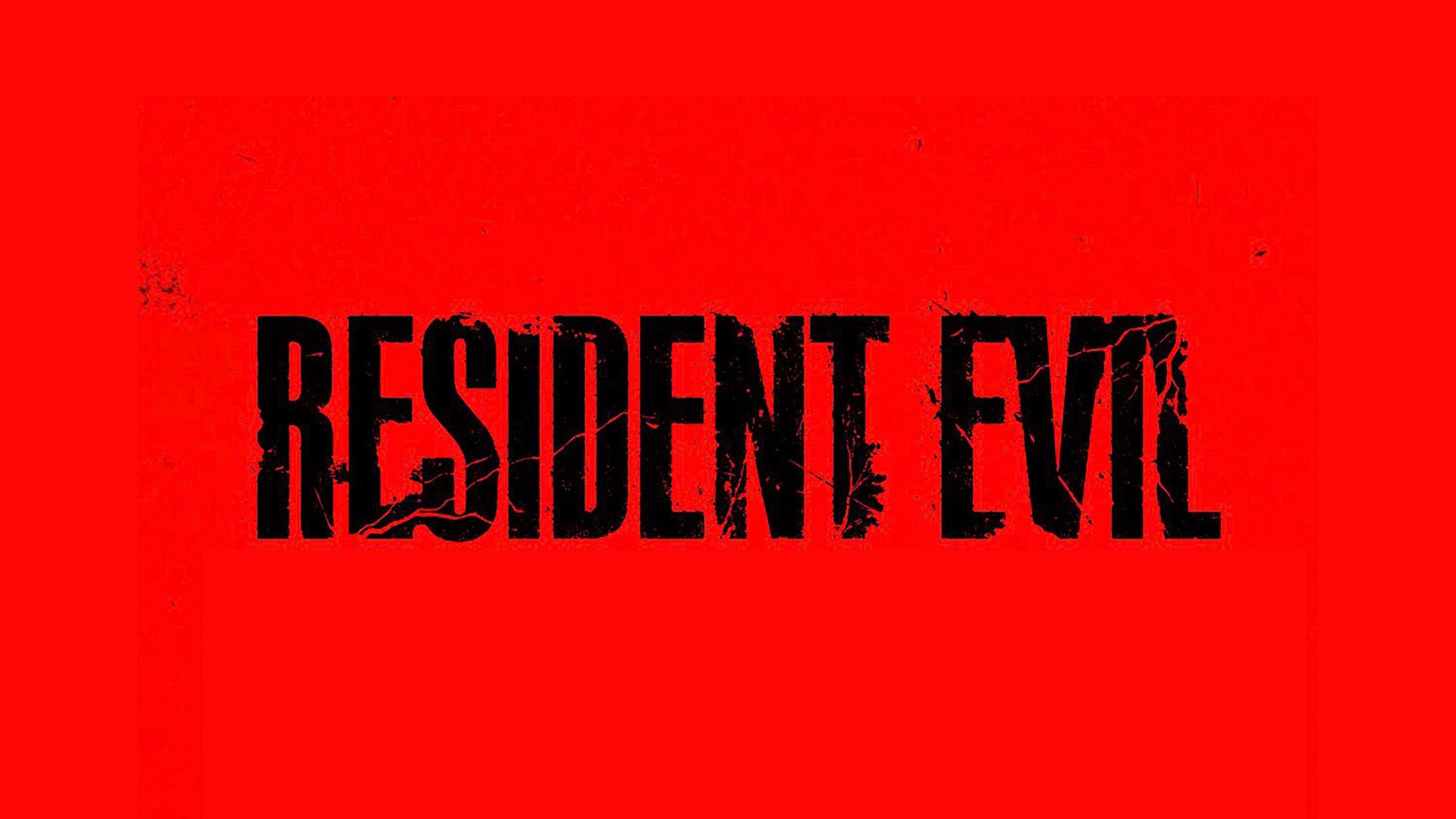
In the fast-evolving world of game design, branding plays a crucial role in setting the tone for a title's release. The latest logo for the forthcoming Resident Evil installment has ignited a spirited discussion among designers and fans alike. With its gritty aesthetic reminiscent of the original game, the logo brings back a sense of nostalgia, but it also raises questions about originality and creative integrity in design.
The new logo, crafted by the talented designer Cregger, distinctly channels the look and feel of the original Resident Evil. It features a rugged, textured approach that harkens back to the franchise's roots, resonating with long-time fans. However, some critics have pointed out that the design may borrow too heavily from retro influences, leading to accusations of "stolen valor." This controversy highlights a critical conversation about how much of a designer's work can be inspired by past designs without crossing the line into imitation.
As designers, we understand the delicate balance between homage and originality. Cregger’s logo has reignited debates about the role of nostalgia in modern design. While it is essential to honor the past, how do we ensure that our work stands on its own merit? This logo serves as a case study for designers navigating the fine line between influence and infringement, especially in an industry where visual identity can make or break a title.
In the broader context of the gaming industry, this discussion is not unique. The rise of remakes and franchises that leverage nostalgic elements has become a central theme in video game design. While such strategies can successfully attract an audience, they also carry the risk of alienating new players who may seek innovation rather than echoes of the past. As the industry continues to grapple with these dynamics, designers must remain vigilant about their creative choices, ensuring they push boundaries while respecting the legacy of their predecessors.
CuraFeed Take: The debate surrounding the new Resident Evil logo encapsulates a larger trend in design: the tension between nostalgia and innovation. While Cregger’s design may resonate with fans, it’s imperative for designers to carve their own paths rather than rely solely on the shadows of past successes. As we look ahead, it will be fascinating to see how the industry evolves, potentially paving the way for logos that honor history while forging new identities. This case serves as a reminder for all creators that in the world of design, originality is king—so keep innovating and make your mark!


