Designing for Safety: Strategies to Create Ethical Tech Solutions
In an era where technology often exacerbates societal biases, it's imperative for design leaders to implement strategic safety measures in their creations. This article outlines a comprehensive framework for integrating inclusive safety principles into the design process, ensuring that technology serves all users ethically and effectively.

Harnessing AI for Accessibility: Opportunities and Challenges Ahead
As AI technology rapidly evolves, its potential to enhance accessibility for people with disabilities presents both exciting possibilities and significant challenges. In this article, we explore innovative AI applications that can transform accessibility while emphasizing the importance of inclusive design and diverse teams.

Embracing Femininity: The Transformative Agnes Bed Design
The Agnes bed redefines domestic space, embodying fluidity and intimacy while drawing on themes of female agency. This innovative piece pushes the boundaries of design, inviting reflection on the intersection of comfort and resistance.

Empowering Users: Crafting a Future-Driven Design Strategy
Understanding user needs today is crucial for shaping tomorrow's design landscape. By leveraging effective research methods, design leaders can uncover insights that not only inform current products but also pave the way for innovative solutions.

Redefining Web Design: Embracing the Window Controls Overlay
As design leaders, the time has come to break free from the constraints of traditional web layouts. With the introduction of the Window Controls Overlay for Progressive Web Apps (PWAs), we have a unique opportunity to innovate and create engaging user experiences that blend seamlessly with the operating system.

User Research as Storytelling: Crafting Engaging Narratives for UX Success
In the realm of user experience (UX), storytelling emerges as a vital strategy to elevate user research and engage stakeholders effectively. By framing user research through a narrative lens, design leaders can facilitate deeper understanding and commitment to user-centered design principles.
Crafting the Future: Dorte Mandrup's 'The Whale' Rises Along Norway's Coast
As the architectural landscape evolves, Dorte Mandrup's 'The Whale' emerges as a testament to innovative design. This project not only redefines the Arctic coastline but also serves as a case study in integrating environment with architecture.

Reviving the Analog Experience: Vigilante's 80s Jeep Restomod
In an era dominated by digital innovation, Vigilante's scrambler restomod pays homage to the classic Jeep CJ-8, blending nostalgia with cutting-edge engineering. This project not only celebrates the past but also redefines modern off-road performance standards.

Unpacking the Personalization Pyramid: A UX Framework for Data-Driven Design
In an era where personalized user experiences are no longer optional, understanding how to effectively harness user data is critical for UX leaders. The newly introduced Personalization Pyramid framework offers a structured approach to implementing human-centered personalization across digital platforms.

Embracing Design Dialects: How to Evolve Your Design Systems Today
In a world where user experience is paramount, our design systems must evolve beyond rigid consistency to accommodate diverse needs. Embracing design dialects can transform how we communicate through our products, ensuring that users' unique contexts are met with responsive, adaptable solutions.

Navigating the Intersection of Open Web and AI: The W3C's Role
As artificial intelligence continues to reshape digital landscapes, the need for a harmonized approach between open web standards and AI technologies has never been more pressing. The recent discussions at the World Wide Web Consortium (W3C) meeting shed light on critical pathways to balance innovation with accessibility.

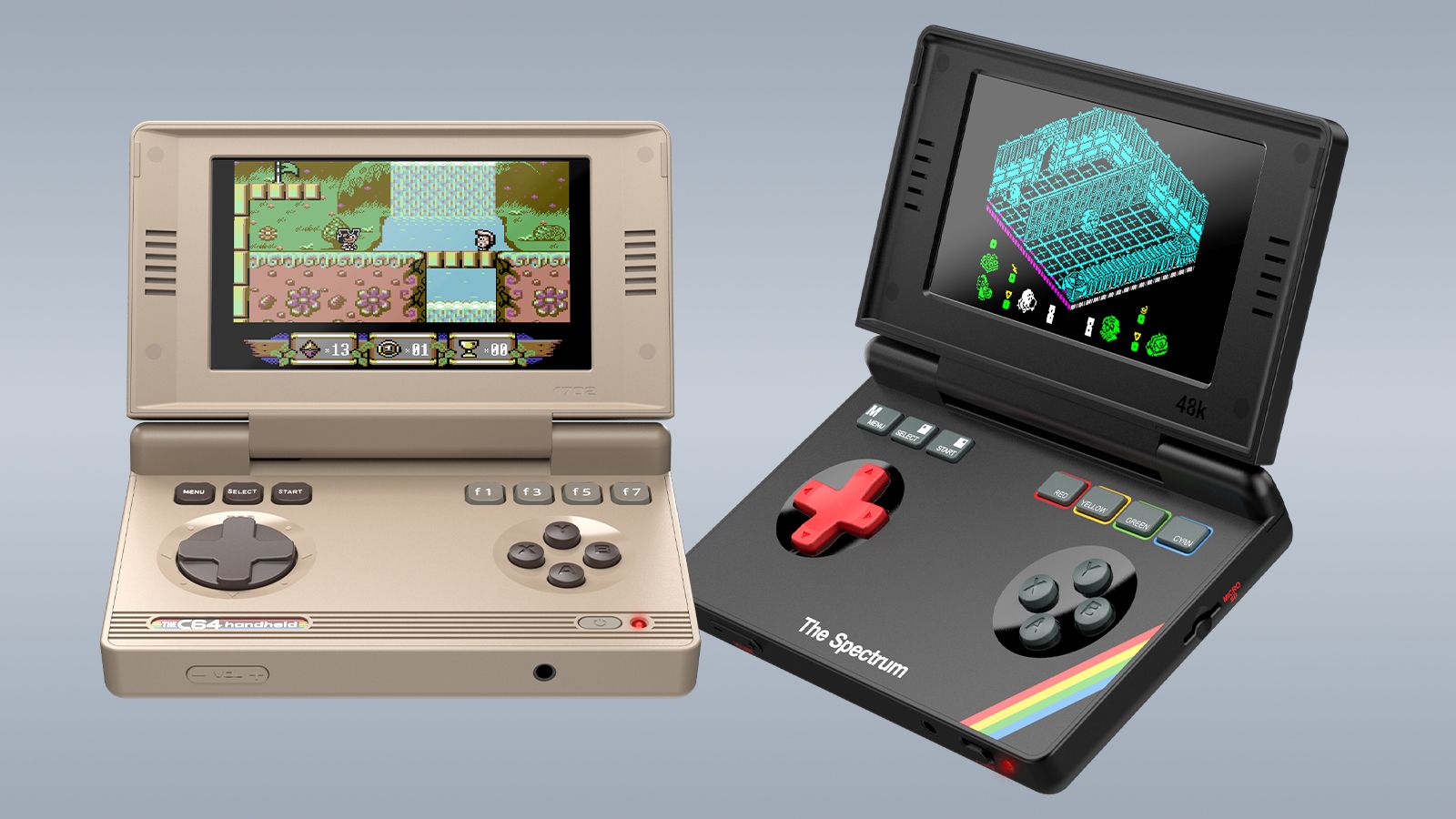
Retro Gaming Reimagined: Personal Connections through Design Innovation
The resurgence of retro gaming devices like the Spectrum and THE64 highlights a transformative moment in gaming culture. As design leaders and UX strategists, it’s essential to understand how nostalgia and user experience intertwine to create personal connections with technology.