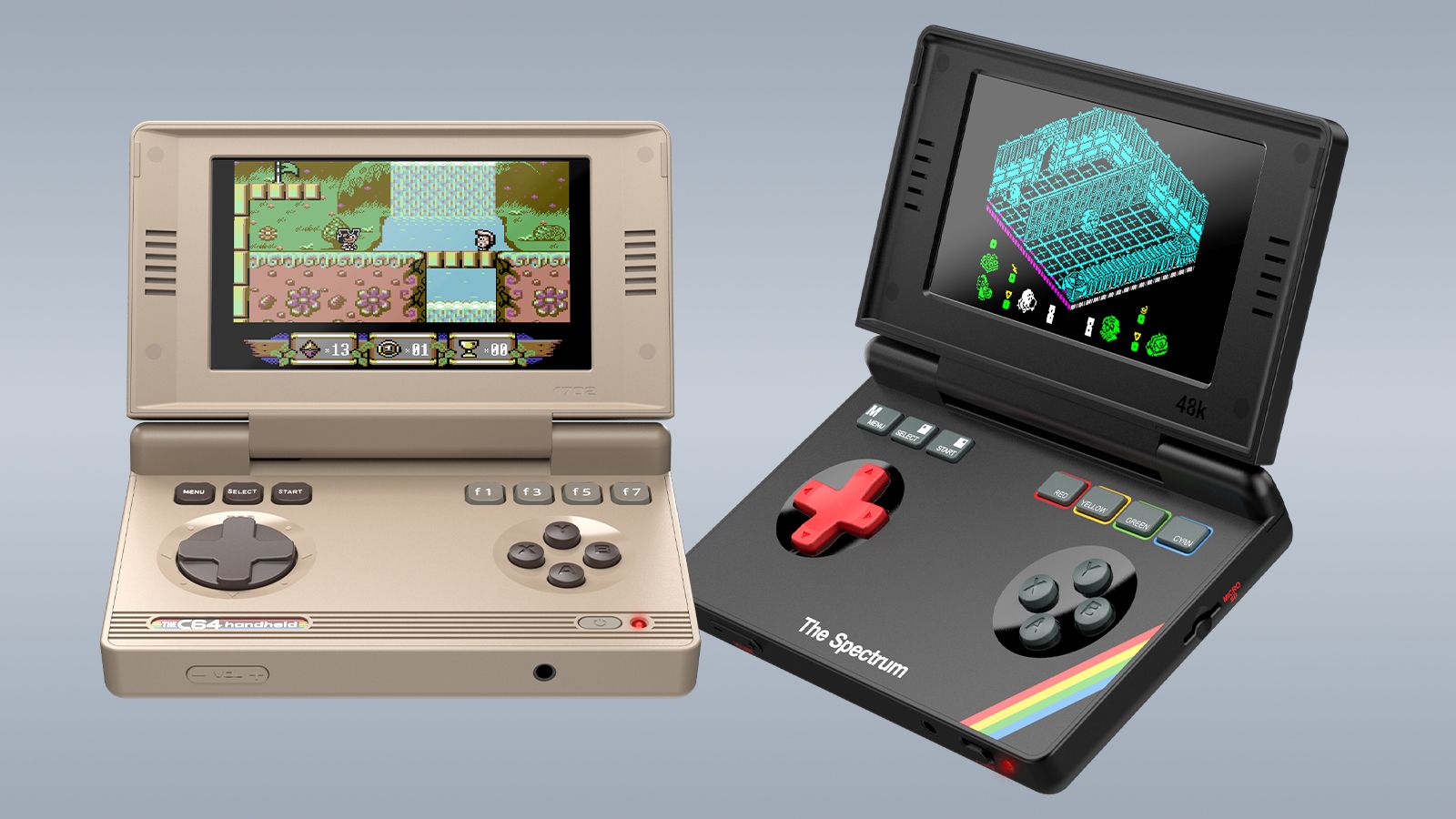
The landscape of gaming is experiencing a renaissance, not merely through technological advancements but through a heartfelt return to retro aesthetics and experiences. In a world overflowing with high-definition graphics and hyper-realistic simulations, a new trend is emerging that seeks to revive the tactile pleasures of classic gaming. Devices like the new Spectrum and THE64 handhelds are not just machines; they are vessels of nostalgia, bringing back the rubber keys and clacky keyboards that defined earlier gaming adventures.
What sets these devices apart is their ability to evoke powerful emotions and memories tied to childhood experiences. The Spectrum, with its iconic design and array of classic games, transports users back to an era when gaming was about simplicity and creativity. Similarly, THE64 offers a modern take on the Commodore 64 experience, blending retro charm with contemporary design. Both devices emphasize a personal connection that transcends mere entertainment, allowing users to engage in a shared cultural history.
Incorporating features such as customizable controls and a user-friendly interface, these handhelds represent a shift towards user-centric design. The focus is not just on gameplay but also on the emotional journey that accompanies it. By allowing users to personalize their gaming experience, designers are tapping into the growing trend of individualism in technology, where personal expression takes precedence.
As we delve deeper into the implications of this trend, it’s essential to place these developments within the broader context of the AI and gaming landscape. The rise of retro gaming signifies a shift towards authenticity and connection at a time when digital experiences can often feel impersonal. This juxtaposition of old and new is an essential conversation in design circles, as it challenges us to think critically about the experiences we create and the stories we tell through our products.
CuraFeed Take: The re-emergence of retro gaming devices like Spectrum and THE64 is a testament to the power of nostalgia in design. As UX strategists and design leaders, we must embrace this trend and consider how we can incorporate personal connections into our future projects. By prioritizing emotional engagement, we can foster deeper relationships between users and technology. Moving forward, watch for a growing demand for products that not only entertain but also resonate on a personal level, as consumers seek more than just functionality—they crave meaning in their interactions with technology.


